
Joining the 5 family, Anthropic launches new Sonnet
Billed as the “most agentic Sonnet model ever released”, Anthropic says its newest release can create plans, use browsers and terminals, and reach levels of autonomy that, just a few months ago, required larger and more expensive models.
The goal of Claude Sonnet 5 is to bring the Sonnet line closer to the level of more advanced models, while maintaining a more accessible price range and broadening its reach for everyday use.
Performance Leap
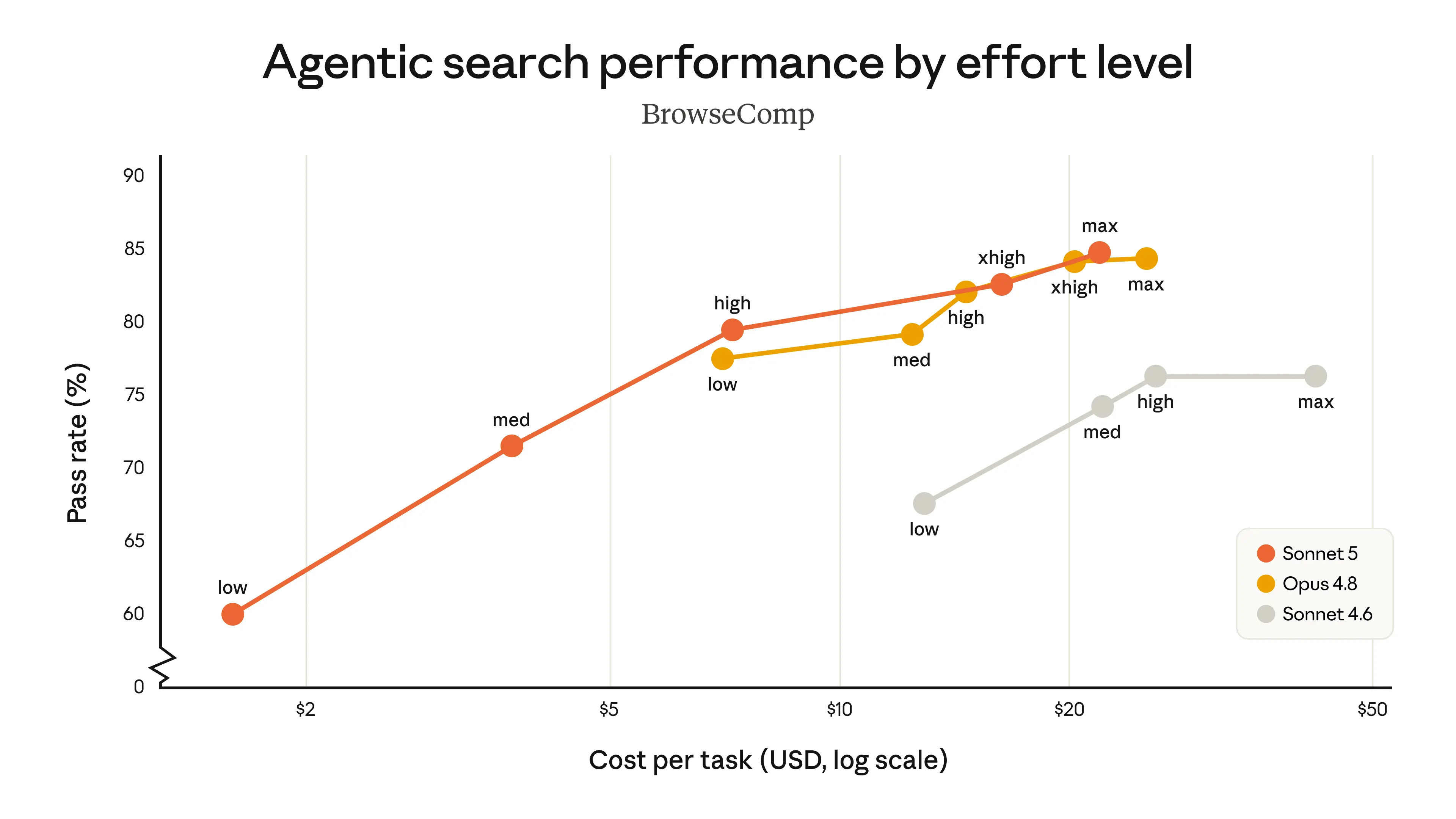
Getting closer to Opus, the new Sonnet 5 delivers a significant performance jump over its previous release. According to Anthropic, this represents a meaningful leap in performance compared to Sonnet 4.6, especially in reasoning, tool use, coding, and knowledge work.
In official materials, the company states that the model covers a much wider range of cost-performance options than the previous Sonnet and, in some scenarios, can even match Opus 4.8.
Availability and Pricing
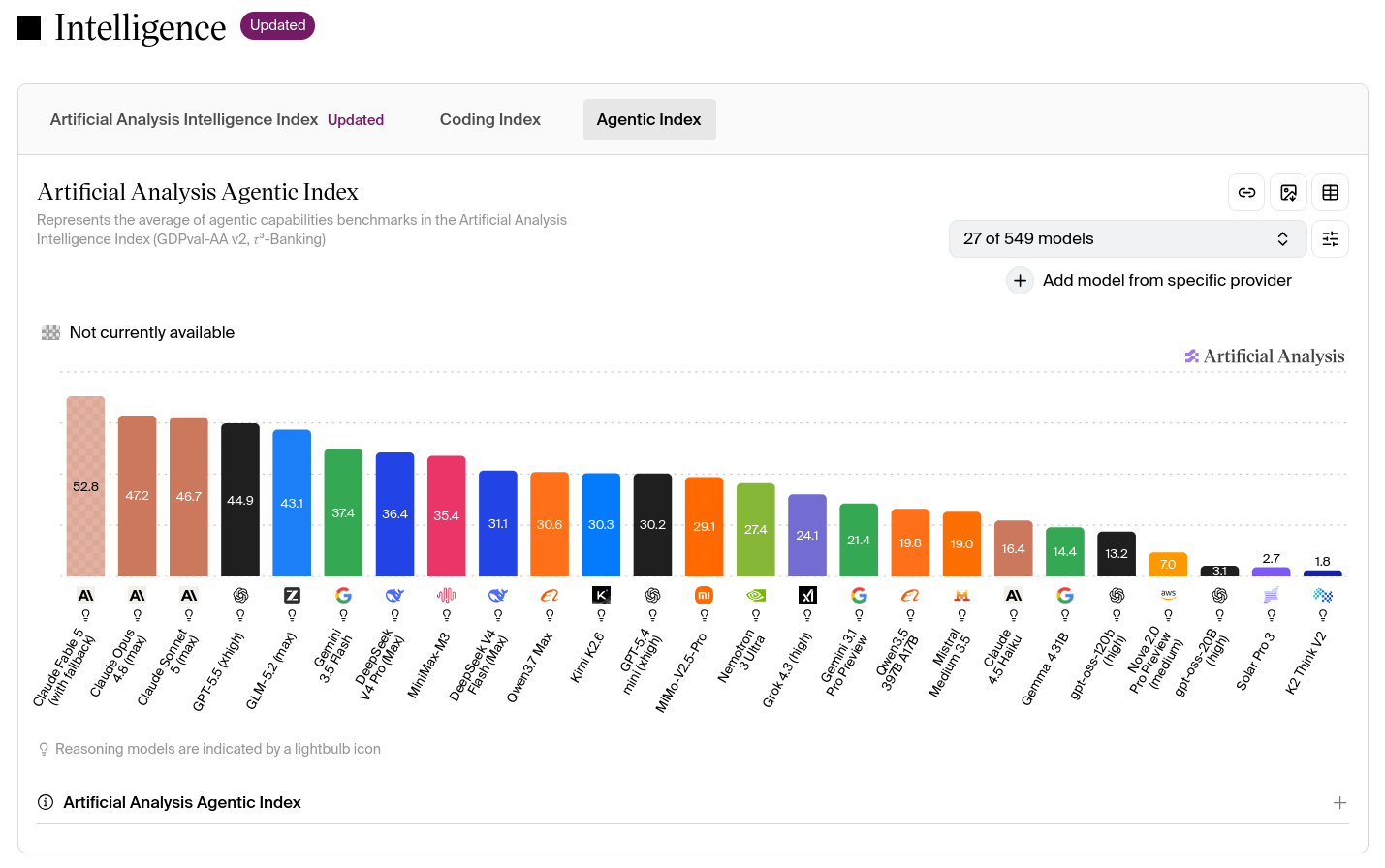
Claude Sonnet 5 is available to everyone: Free, Pro, Max, Team, Enterprise, Claude Code plans, and also on the Claude Platform. On the platform, it launched at an introductory price of $2 per million input tokens and $10 per million output tokens. This promotional price is valid until August 31, 2026. After that, the price increases to $3 per million input tokens and $15 per million output tokens.
The Point Worth Noting
In the official website charts, we can see a clear advantage for the new model and a positioning that tries to show it is cheaper. But don’t be fooled: this price only applies during the promotional launch period, between June and August.
Moreover, Anthropic itself explains that Sonnet 5 uses an updated tokenizer, which can cause the same input to consume approximately 1.0x to 1.35x more tokens, depending on the type of content.
In other words: the price per million tokens is lower right now, but that does not automatically mean the final cost per task will always be as advantageous as the marketing suggests.
What the Benchmarks Suggest
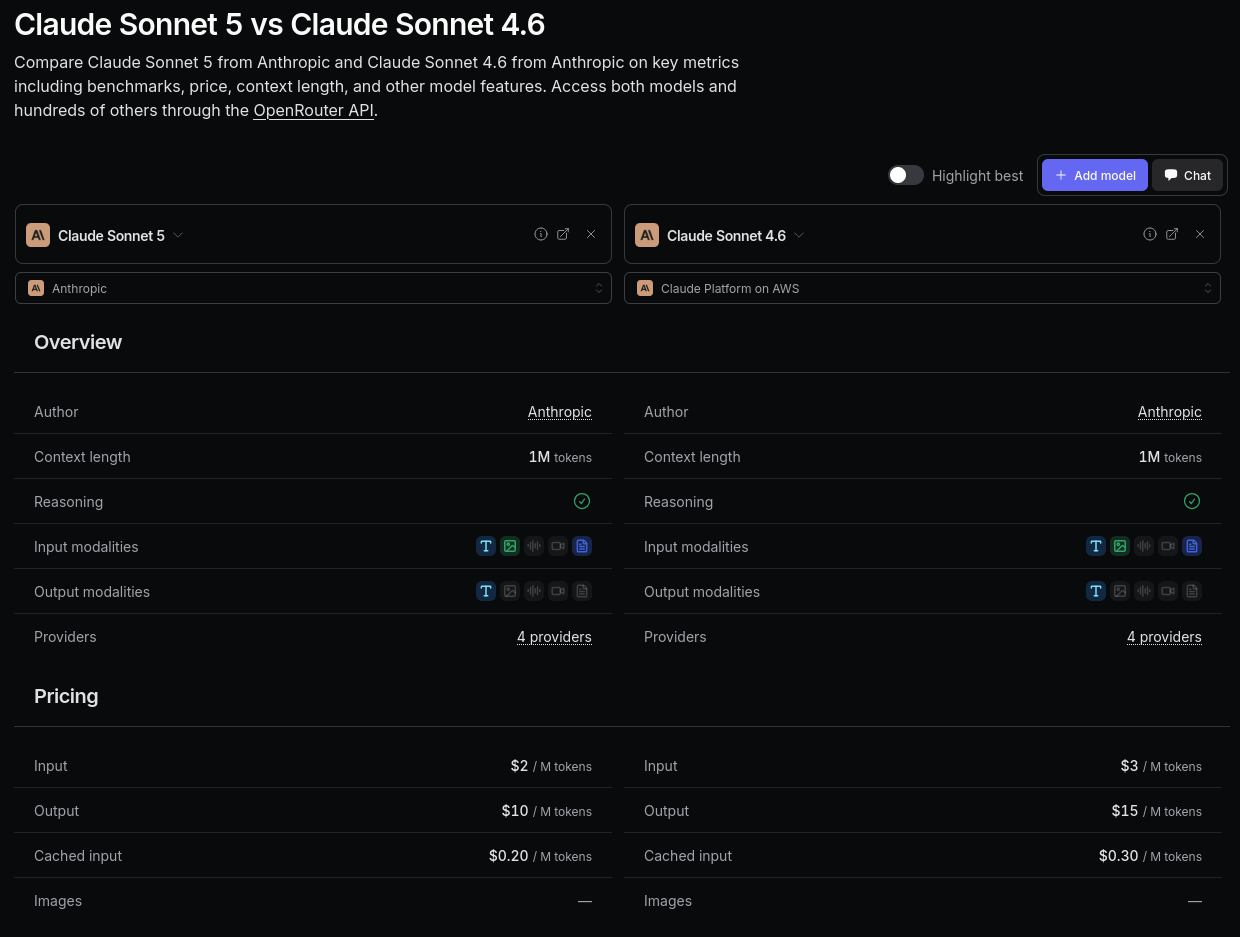
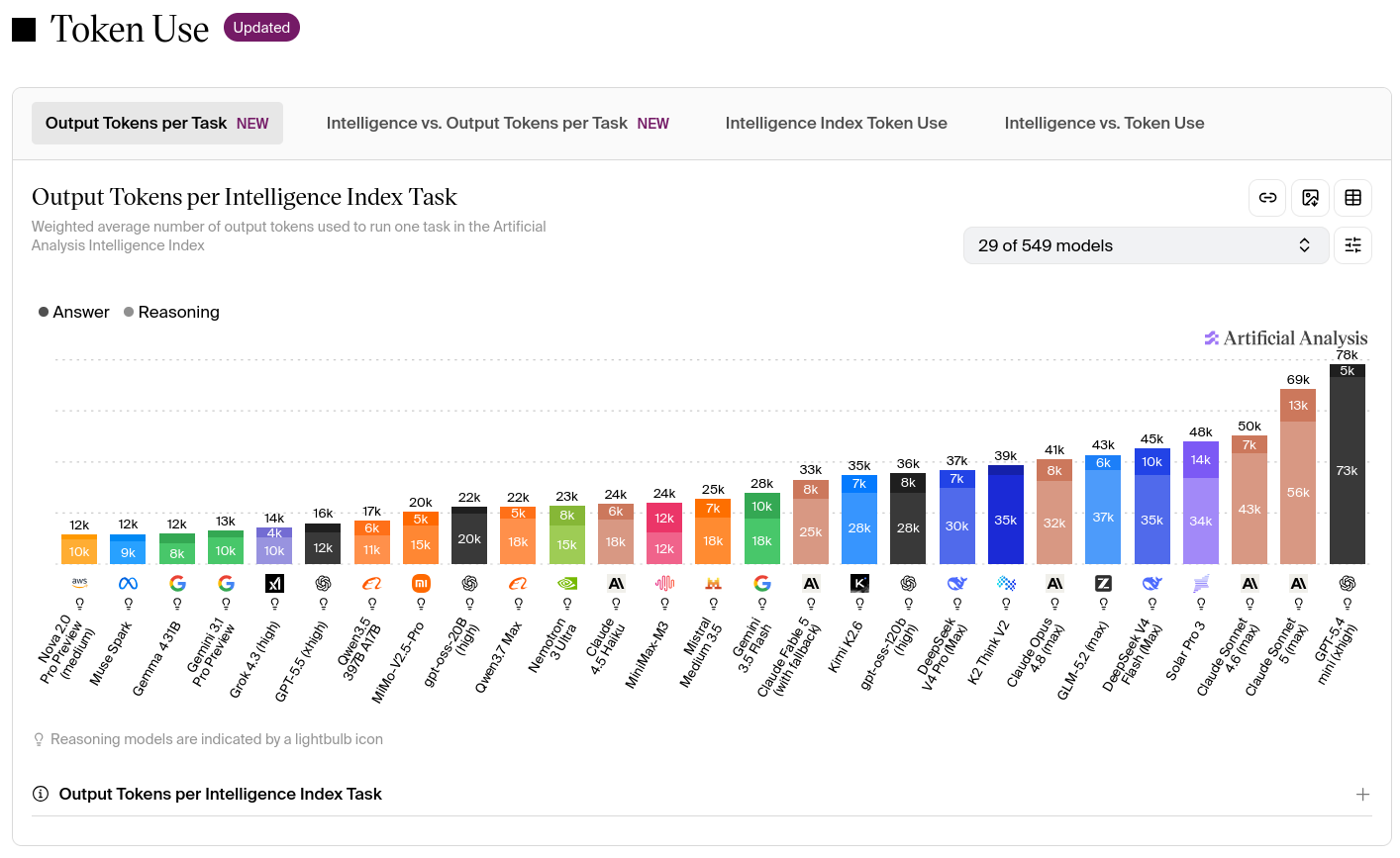
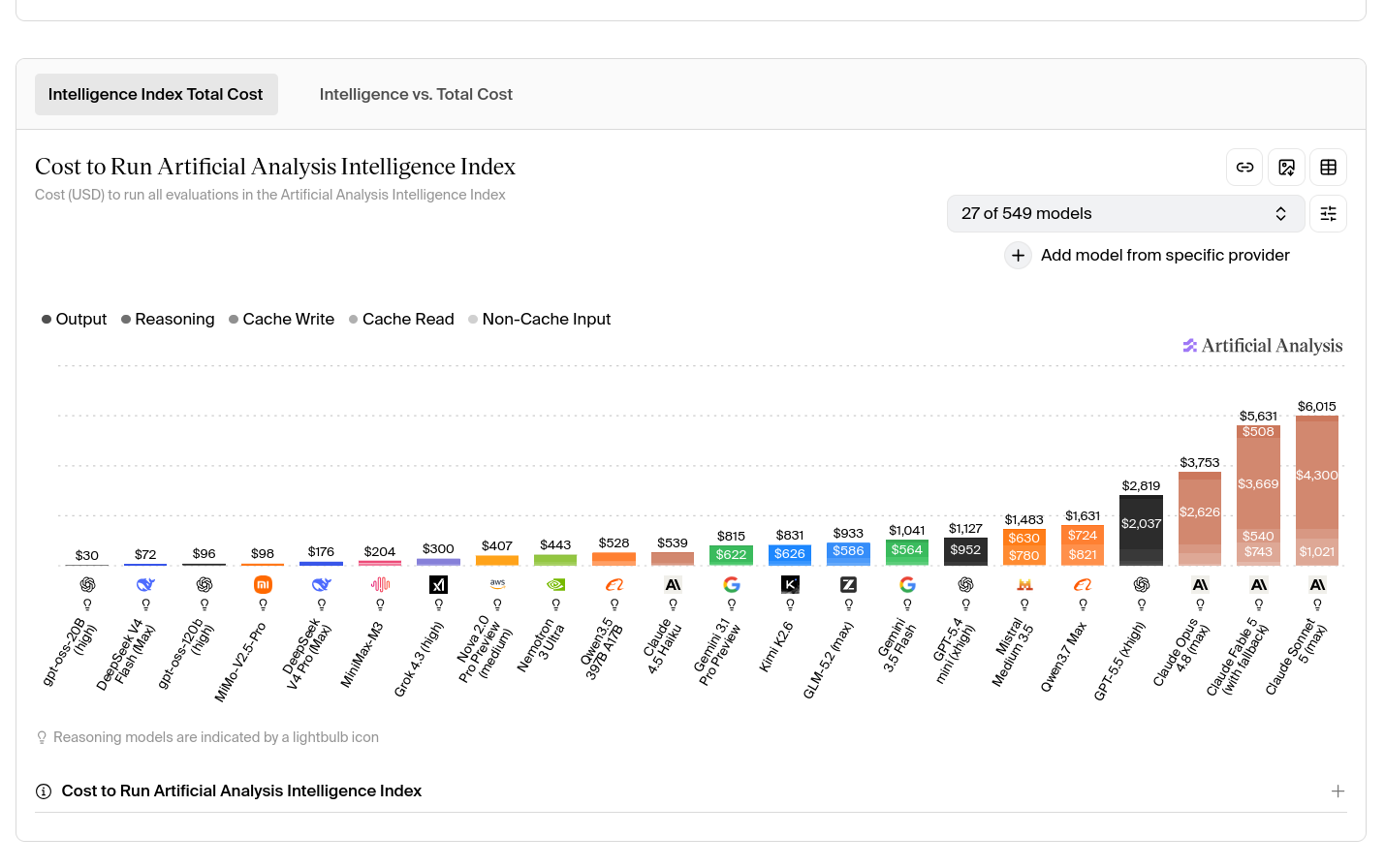
In Anthropic’s official reading, Sonnet 5 offers better cost efficiency at medium effort and, at higher effort, can reach Opus 4.8 levels on some tasks. In independent analyses, such as those from Artificial Analysis, an important point emerges: the model can be quite verbose, consuming many tokens to execute certain tasks. This helps explain why the task-to-price ratio does not always seem as favorable as the raw price per token would suggest.
Yes, it is better. Yes, it is cheaper right now. And yes, it can also consume more tokens depending on the effort and type of use.
Does It Really Make Sense?
But the big issue with this model is that, despite being better than the previous Sonnet, it ends up very close in price to Opus without delivering the same quality.
If we look at the chart, Opus Low is cheaper and performs equivalently to Sonnet High. Similarly, when we compare Opus High with Sonnet at xhigh, we still see extremely similar prices, but with a notable performance gain for Opus.
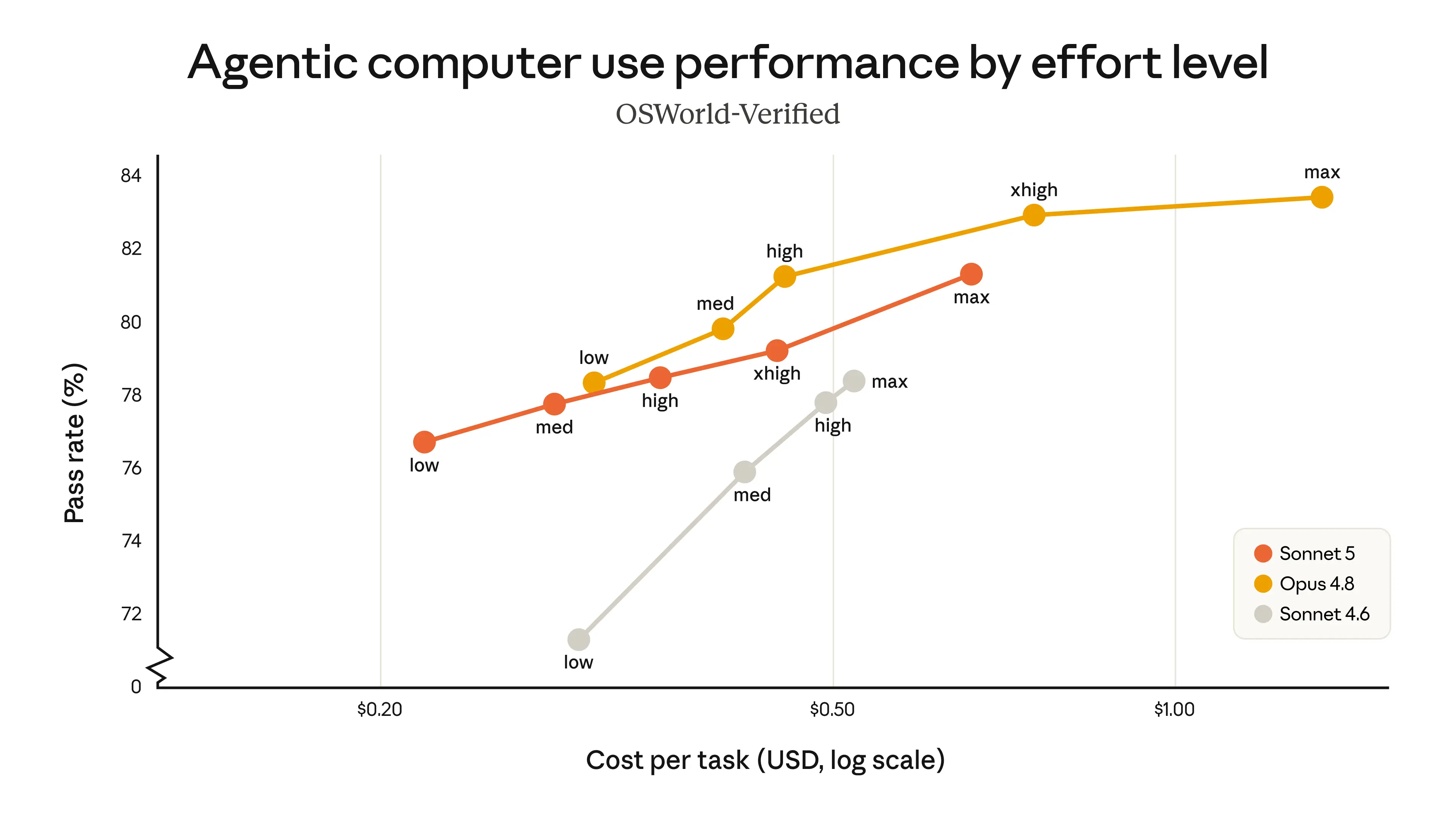
In other words, Sonnet 5 improves considerably within the Sonnet line itself, but that does not automatically make it the best choice in a direct comparison with Opus.
In many scenarios, what it offers is an interesting middle ground. However, when the real cost per task rises due to higher token consumption, the practical difference from Opus shrinks — and, in some cases, Opus starts to look like a better choice for the level of quality it delivers.